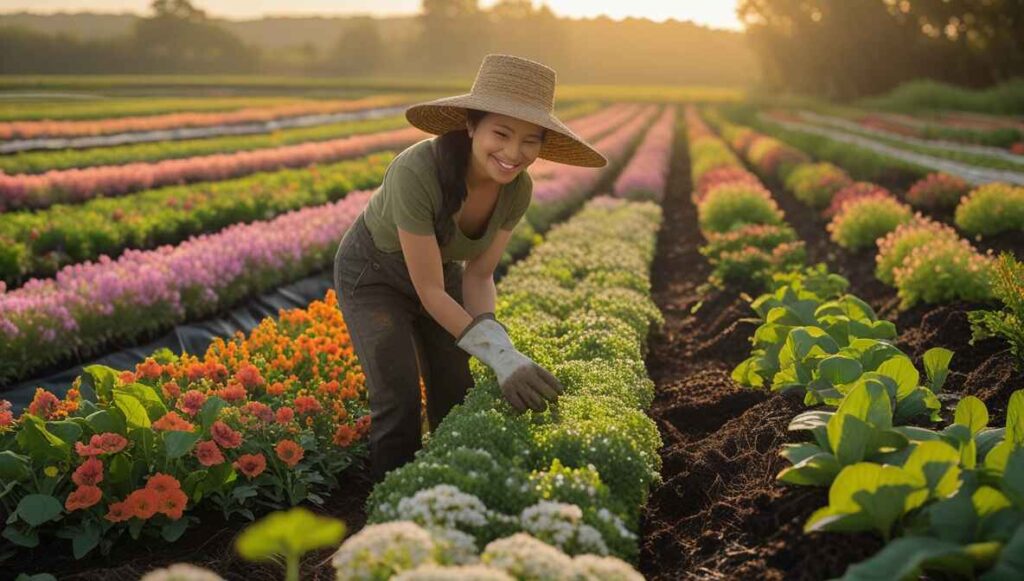
Over the years of flower farming, I’ve learned that growing flowers isn’t just about creating a pretty bouquet it’s about building a sustainable and profitable farm that truly supports your goals, your customers, and your life. A thriving flower farm depends on smart management, thoughtful diversification and steady revenue streams that keep the business eco system healthy. When I first started running my own farm, I thought success meant more flowers but I soon realized that sustainable farming is about balance keeping both the community and the environment in mind while staying focused on profitability and longevity.
Through years of trial and error, I discovered that profitable farming grows from a thriving ecosystem built on purpose, not pressure. Creating strong systems, layering different income sources like agritourism and joining a forum of fellow farmers helped me avoid burnout and grow my vision sustainably. A smart approach to business means building a model that supports not just your farm, but also your dream a life where you can keep doing what you love while caring for both people and the planet.
Understanding the Language of Sustainable Growing:
When I first started exploring sustainable agriculture, I realized how many different terms describe the same desire to grow flowers without harming the planet. From regenerative agriculture to organic farming, every approach focuses on working with nature instead of against it. In agroforestry, trees and flowers share space to support biodiversity and improve soil health, while methods like crop rotation and intercropping keep the land balanced and productive. Over time, I found that permaculture and polyculture create a strong foundation for flower cultivation, making the soil richer and reducing the need for harmful chemicals.
Water harvesting and eco-friendly farming techniques help conserve natural resources, while green farming and conservation agriculture protect the earth for the next generation. True land stewardship means taking care of your environment through responsible land use and thoughtful sustainable practices. These efforts contribute to sustainable development, enhance soil fertility, and maintain ecosystem balance. As I’ve seen in my own garden, following the principles of agroecology, environmental conservation, and sustainable horticulture allows both the land and the flowers to thrive in harmony.
Cover Crops on Flower Farms:
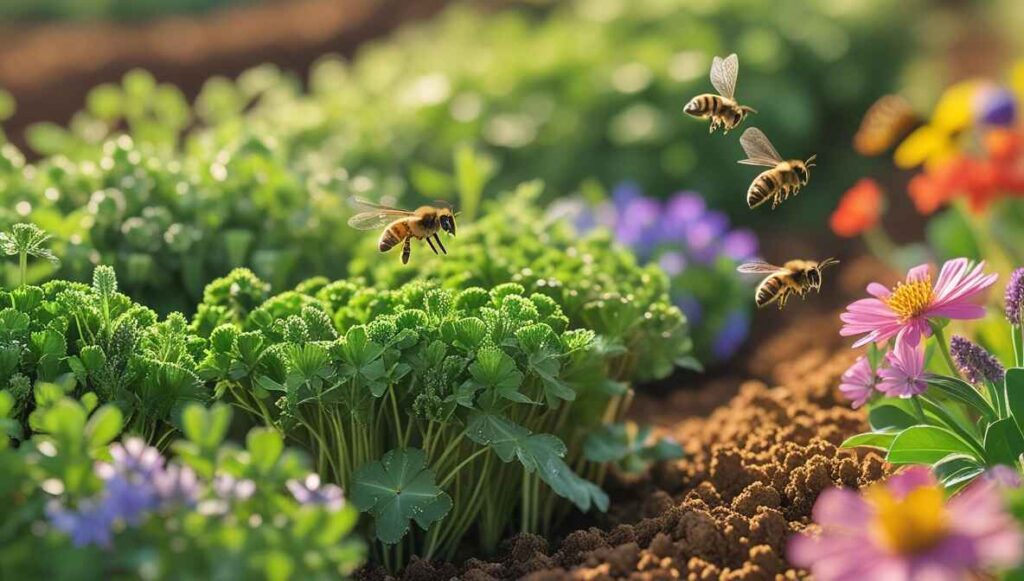
Using a cover crop is one of the simplest ways to improve soil health and make flower farming more sustainable. Instead of depending on fertilizers or herbicides, farmers can grow plants like buckwheat, clover, barley, oats, millet, peas, and vetch to add organic matter and nutrients to the soil. These crops prevent erosion, enrich the root zone and act as green manure by adding nitrogen naturally. I’ve seen how this approach attracts pollinators and beneficial insects, creating a thriving habitat that supports long-term sustainability. Plus, it helps reduce weeds and protects groundwater, keeping both the flowers and the farm ecosystem strong and balanced.
Beneficial Insectaries & Pollinator Habitat:
On my organic farm, I’ve learned that building a balanced ecosystem starts with caring for the small but mighty beneficial insects. Creating insectary plants around the fields helps attract predatory insects and parasitic insects that naturally protect flowers through biological pest control. These tiny natural enemies thrive on nectar and pollen, keeping pest populations under check while supporting biodiversity across the land.
I planted a shelter belt of shrubs, willow and lilac near the hedgerow not just for beauty but for habitat management. These areas also give bees, wasps, birds, and beetles safe places to live and feed. Sometimes, I even see reptiles basking nearby, showing how every species plays a part in maintaining ecological balance.
At Flora Farm in Oregon, growers working under Oregon Tilth certification have inspired me to value sustainability in every decision. Planting perennials and biennials ensures food sources for pollinators all year, while thoughtful foraging practices protect the environment. Each small action strengthens both the soil and the soul of the farm, proving that nature rewards care with abundance.
Growing Flowers Using No-Till & Low-Till:
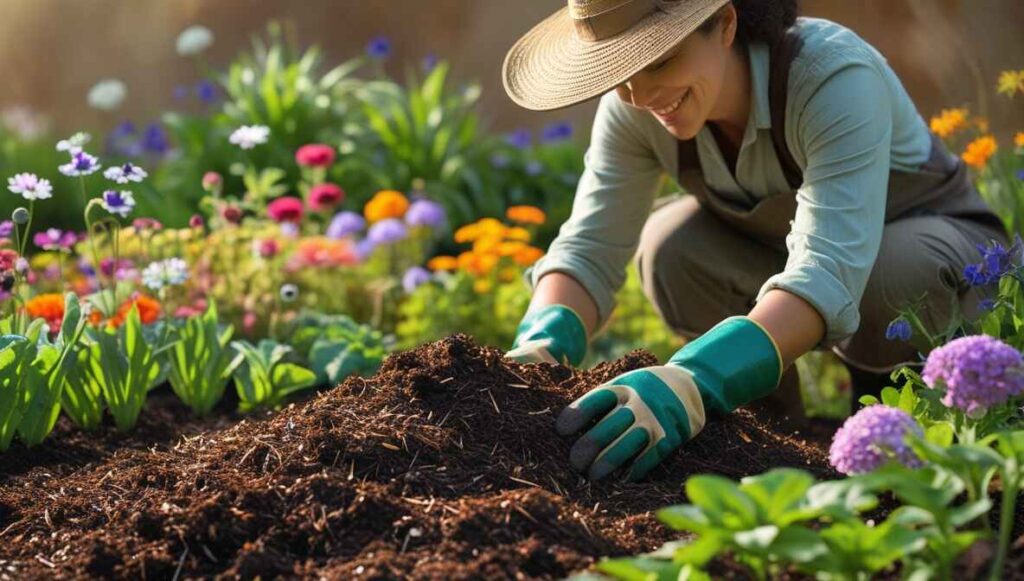
There’s something quietly beautiful about letting the soil breathe instead of battling it. No-till and low-till methods focus on preserving soil structure, protecting microbes, and building long-term fertility naturally. Instead of digging or turning the soil, you simply layer compost, mulch, and organic matter on top allowing worms and microorganisms to do the quiet work for you. Over time, this creates rich, crumbly soil that’s full of life, ready to support vibrant blooms and healthy roots without exhausting the land.
For flower growers, these methods mean fewer weeds, less erosion, and a garden that almost seems to care for itself. The soil stays moist longer, your plants become more resilient, and you spend more time admiring your blooms than wrestling with tools. It’s a slower, gentler way of gardening one that rewards patience and respects the living world beneath your feet
Use Frameworks to Keep Yourself Sane:
In farming, staying organized isn’t a luxury it’s survival. Over the years, I’ve learned that using frameworks and a solid structure can turn chaos into calm. Even farmers need systems just like big businesses do. When I first started in agriculture, my days felt scattered, and I was always behind on something. Then I built a routine that included a planting calendar, an event checklist and a content schedule to manage every season smoothly.
These simple tools brought balance and boosted my productivity. Having a clear workflow made daily planning less stressful, and smart management helped me focus on what truly mattered the flowers. I also found that creating a personal strategy kept my mind steady during long planting days and unpredictable weather. Small steps toward better efficiency can make your work feel less like survival and more like steady, meaningful progress.
Heavy Mulching:
From years of tending my own flower beds, I’ve learned that mulching is more than just spreading organic material it’s a foundation of regenerative agriculture. Smart flower farmers use it to build soil protection, preserve moisture retention, and strengthen climate resilience. When I walk past the trees and flowers that thrive on my farmland, I notice how the layers of pine needle mulch keep the soil cool and stable, helping my seedlings survive heat and wind. This method also supports biodiversity and encourages habitat creation, turning even small plots into a living bee habitat and wildlife habitat.
Using mulching within agroforestry systems like red pine trees or white pine trees integrates soil conservation and water conservation beautifully. My terraced beds stay firm with landscape fabric and black landscape cloth which prevent soil runoff and aid erosion control. Over time, the addition of organic matter improves landscape stability, allowing for adaptive farming that balances productivity with sustainability. The quiet reward is seeing the harmony between crops and nature every layer of mulch becoming part of a larger, thriving ecosystem
Reducing or Eliminating the Farm’s Reliance on Plastic:
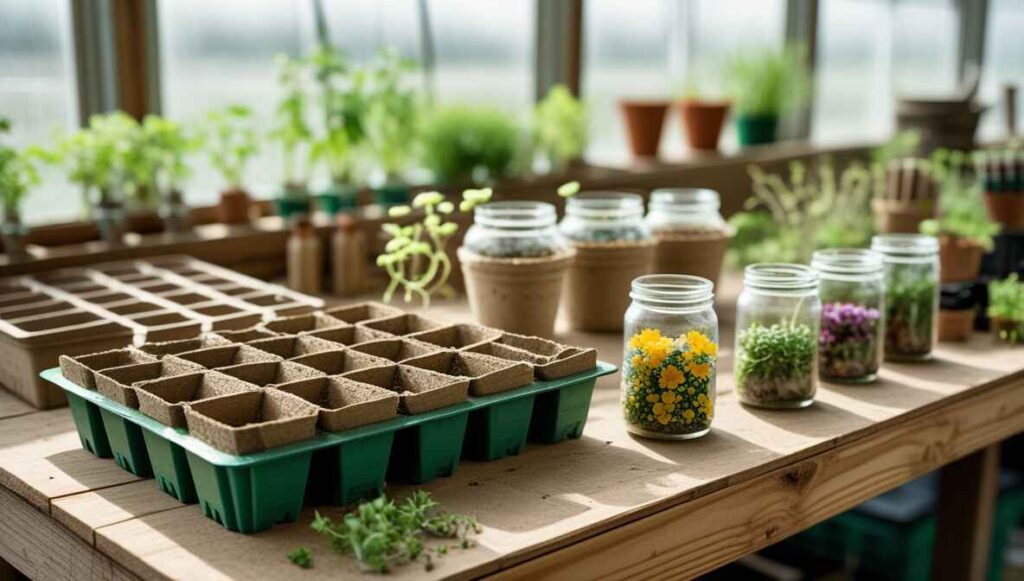
As flower farmers, we all know how much plastic has become a part of daily farm life from plastic trays for seedlings to potting soil bags and even plastic sheeting. Over the years, I’ve learned through Sustainable Floral Design practices and Foam-Free Floristry that it’s possible to grow beautifully without relying so heavily on these materials. With the right Techniques and Mechanics, even practical folk can Reduce, Reuse, Recycle, and still meet their sustainability goals. I remember switching from single-use pots to durable goods, and not only did it cut waste but it also saved money in the long run.
The floral industry is slowly realizing that throw-away plastics can’t be part of a zero waste future. On my own farm, I began keeping a store of reusable trays and packaging, researching the best goods, services and prices that fit my needs. Whether managing transport or disposal, every small change brings us closer to our target of sustainable growth. Even adjusting how soil packages, six-packs and starts are handled makes a difference. When you shop with intention and focus on durable options, sustainability stops being an ideal and becomes part of everyday farming life
Protect Your Time
Running a successful flower farm isn’t just about planting seeds it’s about protecting your time and energy so both you and your farm can thrive for the long term. I’ve learned that a healthy work-life balance is essential to stay grounded and keep your vision clear. Every flower farmer must understand their numbers, manage people wisely, and practice strong farm management to make the most of every opportunity. With clear planning, focus and intention, your efforts become sustainable and truly joyful.
Building a business that lasts takes resilience and a deep understanding of how to align your goals with your values. When I joined a forum of like-minded growers, I realized how sharing strategies and learning step-by-step through a webinar or community can help anyone improve their sustainable farming journey. A farm isn’t just built on soil it’s built on the daily choices that keep you in balance and remind you that protecting your time is part of cultivating success.
Conclusion
Sustainable flower farming isn’t just a method it’s a mindset that grows stronger with every season. By caring for the soil, reducing waste, and honoring both time and nature, you create more than flowers you build resilience. Every small, mindful choice adds up to a greener, more balanced farm that gives back to the land that sustains it. When your work flows with the rhythms of nature instead of against them, you don’t just grow blooms you cultivate a future filled with purpose, harmony, and lasting beauty.
FAQs
1. What does sustainable flower farming mean?
Sustainable flower farming means growing flowers in ways that care for the soil, protect the environment, and support long-term farm health. It focuses on using natural methods, reducing waste and keeping the balance between people, plants and the planet.
2. How can I make my flower farm more eco-friendly?
Start by using compost and organic fertilizers, planting cover crops and reducing plastic use. Add insect-friendly plants, avoid harmful chemicals and switch to no-till or low-till methods to protect your soil and save water.
3. Why are cover crops important for flower farms?
Cover crops like clover, oats, or buckwheat feed the soil naturally and prevent erosion. They also attract pollinators and beneficial insects that help your flowers grow strong and healthy without relying on chemicals.
4. Is sustainable farming profitable?
Yes, it can be! By using smart systems, reducing input costs and diversifying income streams like offering workshops, events or agritourism you can build a profitable business that also protects nature for the long run.