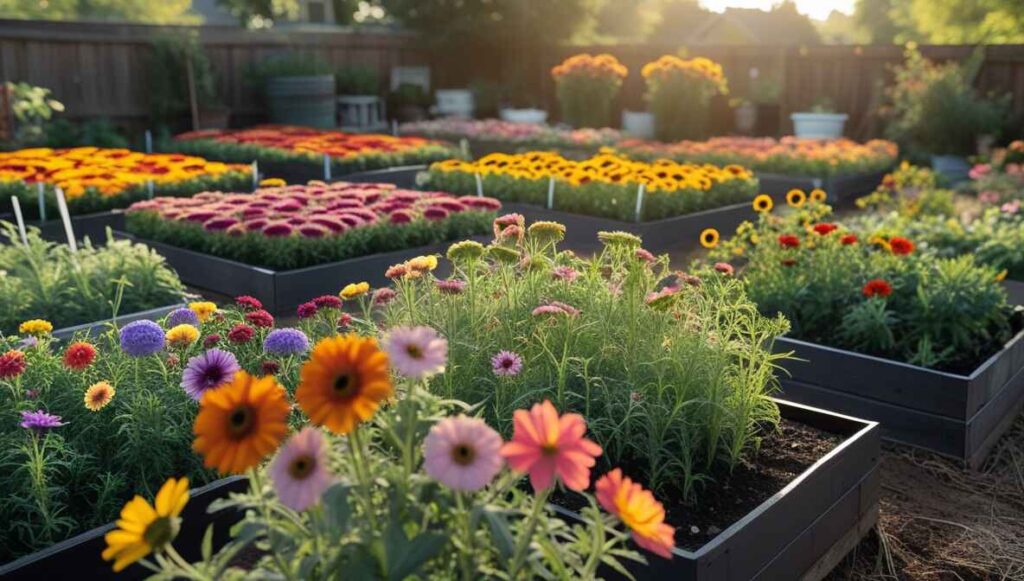
Creating a compact backyard flower farm has been one of the most beautiful and fulfilling experiences of my life. Even with limited space, it’s amazing how many flowers you can grow when you plan carefully and utilize every inch of your garden. My little patch of land behind the home has become a classic example of how horticulture and gardening blend with personal enjoyment and creativity. With thoughtful layout, proper plant care, and good maintenance, I’ve learned to turn a small space into a productive and sustainable mini flower farm. From soil preparation and irrigation to harvesting and floral design, every step brings a sense of joy and connection.
The rewards of seeing seasonal blooms, crafting a bouquet for my kitchen table, or taking cut flowers to work are simply unique. Though there are challenges, the efficient use of resources makes this compact cut garden not only attainable but also deeply satisfying. The sunlight, stems and homegrown flowers together make this small farming effort a lesson in balance, sustainability and productivity that continues to brighten my daily life.
Evaluating Your Garden Space
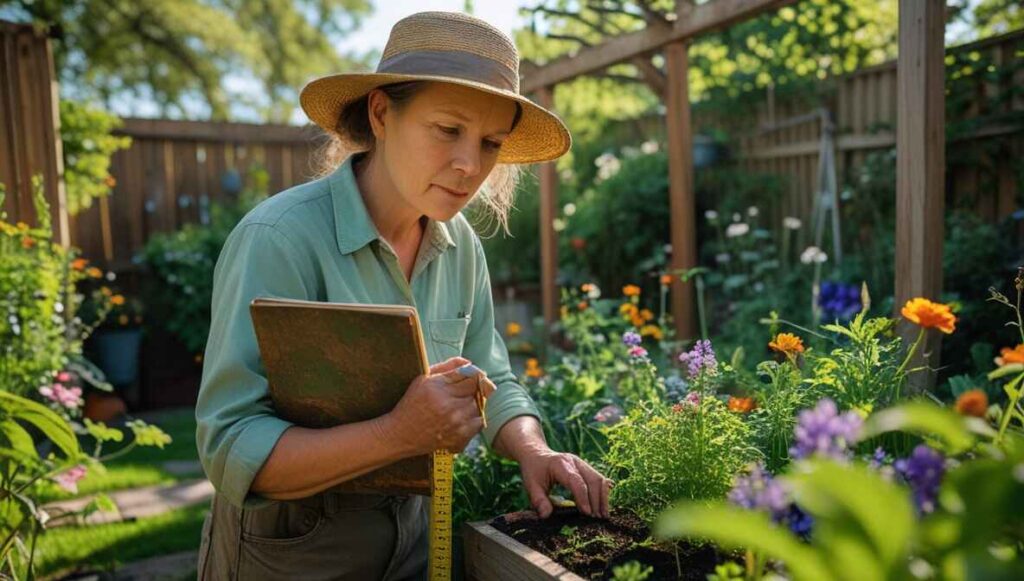
When I first started planning my compact cut flower garden, I learned how important it is to really understand your land and space before planting anything. Take a slow walk around your yard in the morning, midday and evening to notice how sun exposure changes during the day. Most flowers thrive in full sun for about eight hours, though some enjoy afternoon shade in shady locations or sunny locations that balance light and coolness.
Once you see where your garden gets the right light, measure your growing beds and think about bed orientation running north to south often helps sunlight reach every plant evenly. Even with a small 3’x10’ bed, a 300 square-foot garden can reward you with plenty of blooms to harvest and enough to create a beautiful bouquet each week.
Choosing the Right Flower Varieties
When working with limited space, choosing the right variety selection becomes critical for success. I’ve learned that selecting varieties specially bred for cut flowers makes a big difference they have better vase life, longer stems and are less messy to handle. For instance, hybrid sunflowers that are pollen-less are ideal, as they don’t shed pollen and still offer exceptional blooms. A good tactic for a small flower farm is mixing annual, biennial, and perennial plants to maintain continuous flowering across the season.
These can be interplanted, incorporated into the landscape or grown in growing beds that can be easily replanted after each harvest. Pay attention to planting schedules and bloom times, pairing spring and summer varieties in one growing bed for a steady supply of flowers and foliage. Consider the colors within each variety group to design arrangements that feel natural yet coordinated
Planning an Efficient Garden Layout
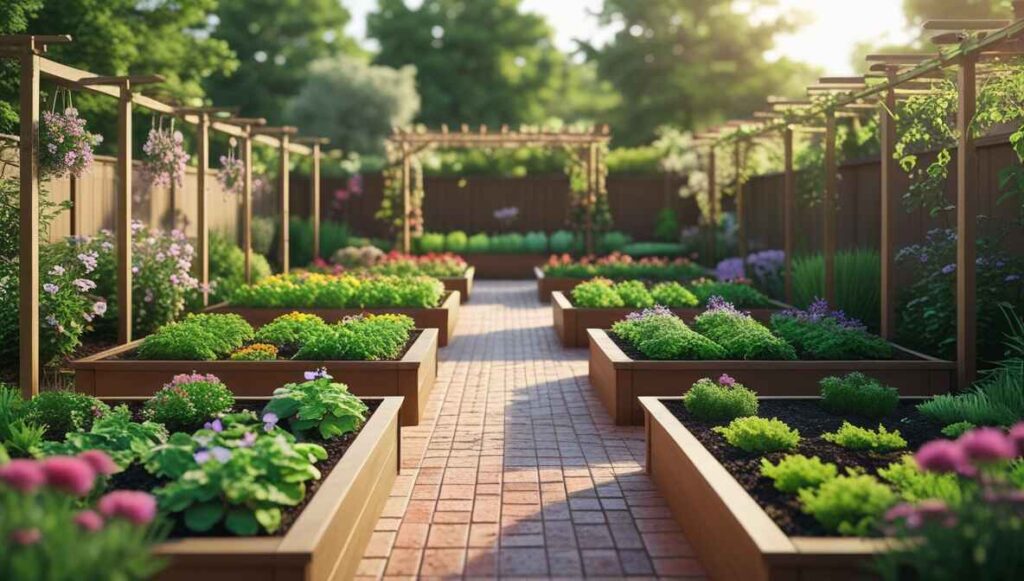
When I began to design the layout of my compact flower garden, I quickly learned that every inch mattered. I started by mapping my ideas and desires into clear action steps, thinking carefully about how to make my growing beds both beautiful and manageable. The width of the beds followed a standard 30 inches, which made it easier to work the soil and reach the center from both sides. To keep things organized, I focused on incorporating pathways and access points for smooth movement during gardening.
Using walk-behind tillers and broadforks helped with preparation, especially in small spaces where equipment choices matter. For vining flowers like love-in-a-puff and nasturtiums, I used trellising and horizontal netting to encourage them to grow upwards rather than clamoring over other plants. Adding obelisks and vertical supports was another proper method for maximizing space, giving the garden structure and allowing vigorous vines and varieties to thrive without crowding.
Designing a Beginner-Friendly Small Space Cut Flower Garden:
When I first started as a beginner gardener, my cutting flower garden was just a few beds tucked into a sunny corner of my backyard. I learned that choosing quick and easy to grow varieties makes a big difference in both yield and confidence. Tulips, daffodils, and Queen Anne’s lace became my go-to flowers because they thrive when planted in the fall and bloom beautifully in the next season.
I also mixed in herbs like mint and basil they smell wonderful in bouquets and are surprisingly tough plants that sometimes reseed on their own. The most rewarding part was seeing how such a small garden could still produce armfuls of flowers for harvest. Understanding your climate and hardiness zone is key for long-term success, and even reading a good blog or two can be confidence boosting when you’re learning to perennialize your little flower patch naturally.
Preparing the Garden Bed
Soil Preparation
In my compact backyard flower farming, I’ve learned that every thriving garden begins with understanding the ground beneath it. The soil is the heart of everything its health, structure, and fertility decide how well your cut flowers will bloom. I start each growing season with a thorough soil analysis and simple soil tests in fall or spring for better accuracy. Sending a sample to a lab, whether private or through a local extension office, gives valuable recommendations for soil improvement.
Once I know the soil quality, I begin amending it using compost and organic matter to boost soil nutrients, soil fertility, and nutrient uptake. Good drainage and soil texture test results show I’m on the right starting point. Preparing growing beds with silage tarps helps reduce weed pressure, making weeding easier and improving weed control. This simple yet consistent soil preparation method brings lasting success and keeps my little farm healthy year after year.
Building Productive Flower Beds
When I started my compact backyard flower farm, the first thing I learned was that a soil test can make or break your results. Knowing your native soil helps you decide whether to build raised garden beds or raised beds on top of the ground. Some farmers prefer using compost to form a pile that’s easy to plant into, saving money and effort. This method is not only affordable but also less labor intensive which matters when working in limited space.
For small growers, containers and grow bags are perfect solutions to start growing even without a permanent garden. Always choose good potting soil with proper drainage to protect roots from changing temperatures and fluctuating water levels. I’ve found that with patience and creativity, even the tiniest yard can bloom beautifully without being expensive to maintain
Smart Planting Practices
When starting a compact backyard flower farm, it’s smart to follow what the packet recommends for each seed. Some varieties are quite touchy and don’t like their roots disturbed, especially those that become rootbound. For such plants, it’s best to directly sow the seeds into the growing beds instead of transplanting them. I’ve learned that flowers like sunflowers and bachelor buttons grow best when you sow them direct into the soil.
Keep an eye on spacing each variety needs its own distance, usually about four to fifteen inches apart, depending on how big they’ll get. If you accidentally drop multiple seeds in one spot, it’s fine just thin them later and keep the strongest seedling. In a humid climate, giving enough room helps plants thrive and prevents disease, especially when there’s extra pressure from moisture. Every planted seed deserves that care to grow strong and healthy blooms
Ongoing Care and Maintenance
Planting your cut flower garden is only the first step. The real work begins afterward keeping your plants thriving and full of life by:
Smart Watering and Fertilizing Techniques
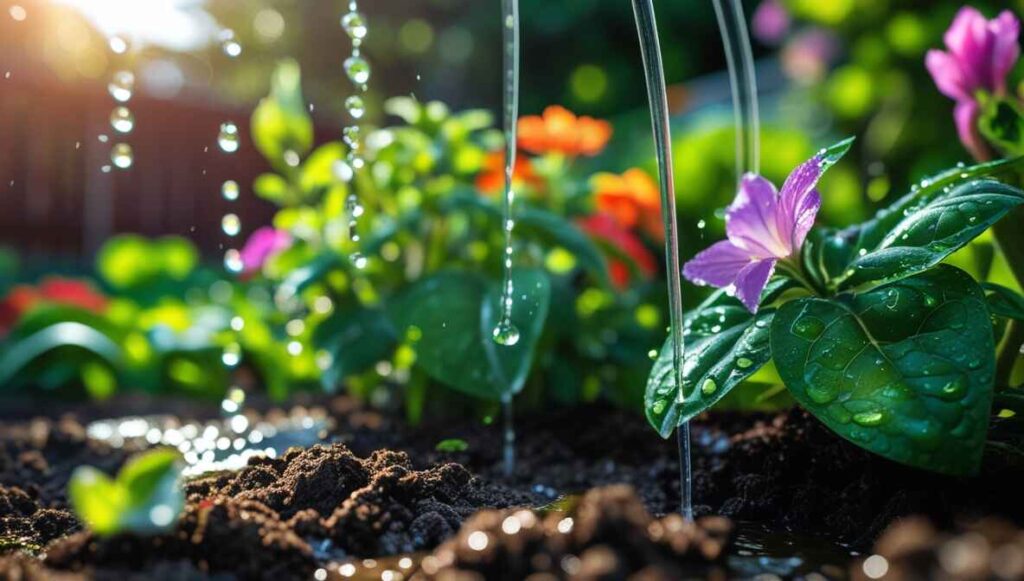
In my compact backyard flower farm, I’ve learned that plants thrive best with consistency in watering and feeding. A steady schedule helps them stay hydrated and healthy, rewarding you with vibrant flowers all season long. I check the top few inches of soil if it feels dry, it’s time to water. Installing drip irrigation keeps things efficient, especially in warm climates, allowing a slow, deep drink instead of overhead splashes.
This system not only saves time but also ensures roots are properly nourished without constant hand-watering. Regular soil tests guide me in choosing the right amendments like compost or a slow-release fertilizer made from pelleted feather and bone meal which break down gradually through the growing season. For an extra boost, I apply foliar tea that keeps plants in their prime, helping them resist pest pressure and temperature stresses naturally while maintaining steady benefit and growth.
Continuous Flower Growth
In my compact backyard flower farm, I’ve learned that keeping plants productive means paying attention to small details like pinching and deadheading. When repeat-bloomer varieties such as cosmos and zinnias reach about eight inches to twelve inches, I cut off roughly a quarter to a third of the center stem, around four inches deep.
This simple step helps encourage them to produce long branches and long stems that make every bouquet look fuller and more balanced. Regular harvesting of fresh flowers keeps the garden alive, and by removing spent blooms, the so-called overachievers keep giving instead of turning their energy toward seed production. I always enjoy watching each bloom respond with new growth it’s a reminder that even small acts of care can create endless cut flowers ready for every season.
Pest and Disease Management
Keeping pests and diseases under control is key to a productive cut flower patch in any backyard garden. From my experience, even a small outbreak of aphids or thrips can quickly start spreading through plants, weakening stems and damaging flower heads. I’ve learned that understanding the difference between piercers and chewers helps a lot.
The piercers, like leafhoppers and stink bugs, suck sap and often act as vectors of infection, while chewers such as earwigs, caterpillars, Japanese beetles, and slugs take visible chunks out of blooms and leaves. Many gardeners prefer to spray solutions that protect their pets and family, making the garden a safe refuge. With consistent management and a gentle approach, you can keep your space safely and effectively thriving all season long.
Conclusion
Building a compact backyard flower farm proves that you don’t need acres of land to experience the joy of growing and harvesting beautiful blooms. With thoughtful planning, smart soil management, and steady care, even a small yard can burst into color and fragrance through every season. Each flower you nurture becomes a reminder of balance, patience, and creativity the heart of gardening itself. Whether you’re harvesting a handful of stems for your table or sharing bouquets with neighbors, the process transforms your small space into something truly abundant: a living expression of beauty, purpose, and peace.
FAQs
Is a small flower farm profitable?
Yes, a small flower farm can be profitable if managed wisely. With high-demand blooms, efficient use of space, and direct sales like bouquets or farmers’ markets, even tiny plots can generate steady income.
How much land do you need to start a small flower farm?
You can start a profitable flower farm on as little as a quarter to half an acre. Even a small backyard or a few raised beds can produce enough flowers for local sales or personal use.
How to start a small scale flower farm?
Begin by choosing a sunny spot, preparing healthy soil, and selecting high-yield cut flower varieties. Plan for consistent planting, proper watering, and regular harvesting to keep blooms coming all season.
Which flower farming is most profitable?
Roses, lilies, sunflowers, and zinnias are among the most profitable flowers to grow. Specialty cut flowers, especially those sold locally or organically, often bring the highest returns.